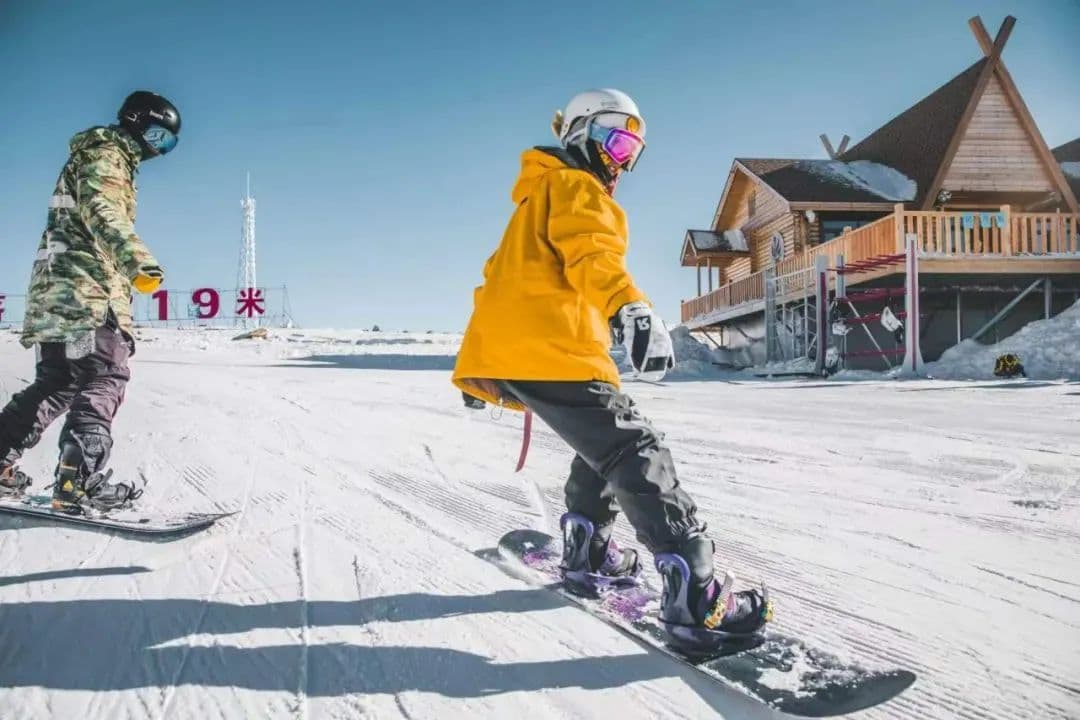
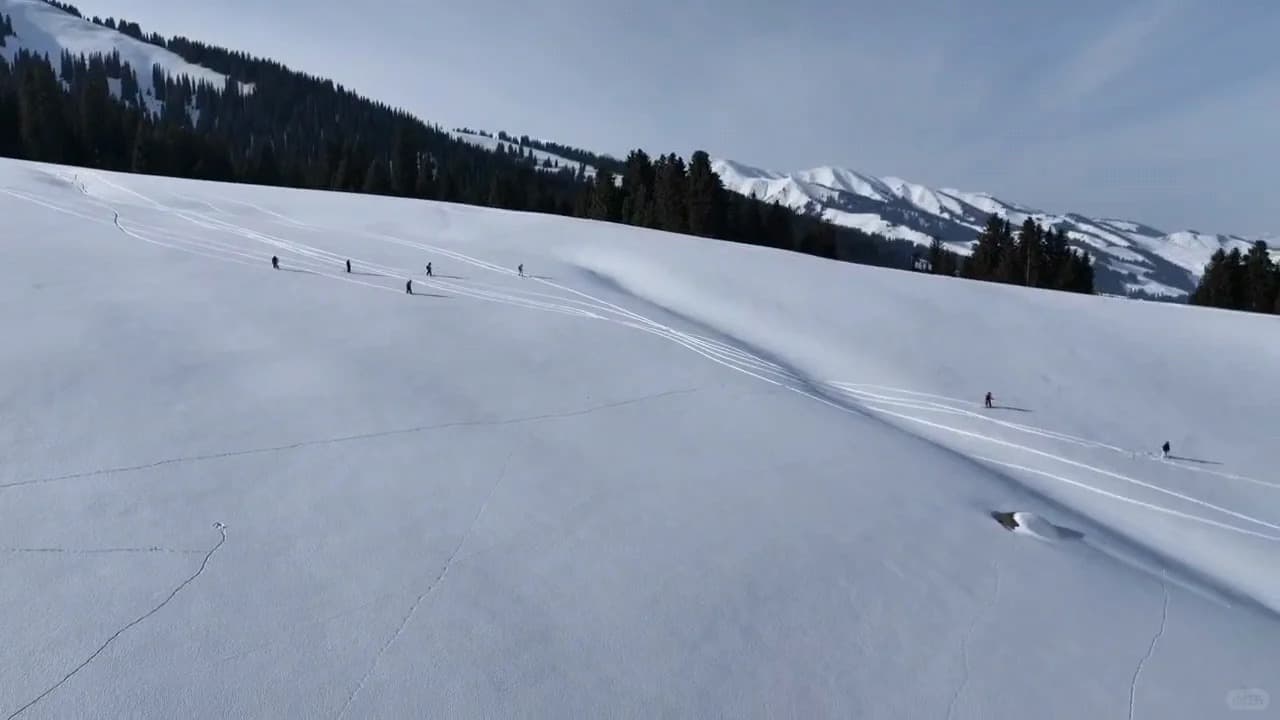
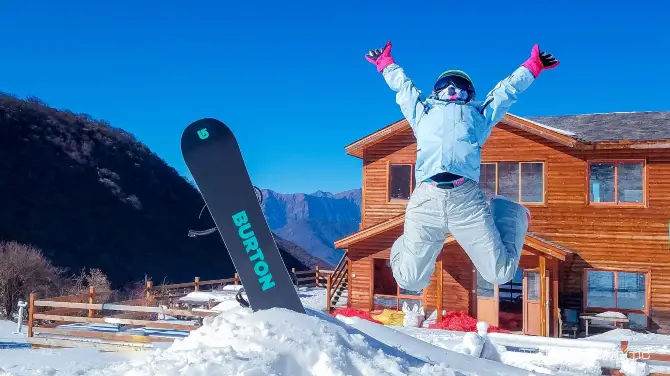
China should not be framed as one unified ski market in the same way as a compact Alpine country. Within Silk Road Freeride, it works better as a route destination built around frontier geography, long internal movement, and a handful of very different mountain nodes that sit inside a broader Altai and northern Xinjiang travel story. The value is not just in any one lift system. It is in the scale of the landscape, the contrast between nodes, and the sense that travel still matters between them.
That is why China needs stronger route logic than the other destination hubs. Hemu and Jikepulin give the clearest combination of village atmosphere and real ski-area infrastructure. Koktokay adds a stronger mountain-resort vertical story with more recognizable resort logic. Nalati reads more like a developing scenic-area ski product with domestic-travel energy and a different kind of terrain appeal. Altay itself works best as the regional frame that connects the whole northern system. Even the more ambiguous pages, like Uzrik Snowpark, matter because they show how the destination is not always cleanly packaged for international freeride readers yet. That complexity is part of the truth of the route.
For riders, China suits a particular kind of trip. It is a strong fit for people who are excited by winter travel as movement through place, not just by efficient slope access. It works for travelers who can tolerate longer transfers, translation friction, and a little operational ambiguity in exchange for village atmosphere, cold continental winter character, and the feeling of being in a destination that still sits outside the standard international freeride circuit. It is less suited to guests who want short-format certainty, polished English-speaking infrastructure, or a simple resort-week formula with minimal planning risk.
Trip style differentiation matters here more than almost anywhere else in the current destination set. Hemu and Jikepulin can support a resort-plus-scenic-village format. Koktokay can be positioned closer to a more recognizable resort-led mountain stay. Altay region travel works for multi-stop route building and scenic winter movement. Nalati and similar nodes are useful where the destination mood, domestic tourism context, and landscape variety matter as much as technical freeride reputation. China also has future potential for stronger guided and custom-route productization once operator and identity clarity improves across more of the pages.
Seasonality should be explained carefully. Early winter can work well in the north, especially where cold continental conditions preserve snow, but exact readiness varies by node and by how developed the ski product is on the ground. Midwinter is usually the strongest period for the broader route, while later-season viability depends more on the specific mountain and whether the product is scenic, piste-led, or tied to village logistics. Because internal movement is such a meaningful part of the trip, the destination rewards travelers who allow more time and who treat weather, transport, and route order as real planning variables.
In the broader Silk Road Freeride map, China adds the strongest sense of passage and eastern frontier extension. It pushes the project outward beyond a mountain-only identity and makes the route feel genuinely continental. That is what makes it compelling. This is not the easiest destination in the system, but it may be the one that most strongly proves the idea that freeride travel can follow a historical corridor instead of just hopping between isolated ski resorts.