Georgia is one of the easiest places in the current Silk Road Freeride map to understand quickly and still keep discovering over time. It works because the terrain, the logistics, and the travel culture reinforce one another. A rider can arrive through a real city, reach meaningful mountain terrain without losing a full day to transfers, and still feel that the trip is about more than lift access alone. Food, hospitality, road movement, village rhythm, and city time all contribute to the destination instead of feeling like distractions from the skiing.
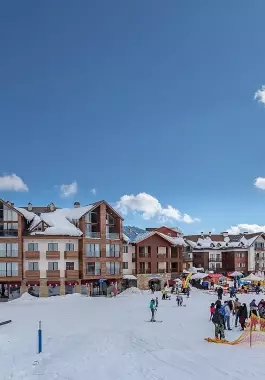
That practicality starts with route logic. Gudauri is the clearest resort anchor in the country and the most straightforward first stop for many visitors. It offers the strongest combination of high-altitude lift infrastructure, freeride credibility, and access from Tbilisi. Svaneti then changes the mood completely. Mestia works as a mountain-town base with deeper cultural texture, while Tetnuldi adds the more alpine mountain product above it. Taken together, those locations make Georgia feel less like one resort destination and more like a country where riders can move between different styles of winter experience without leaving the same national framework.
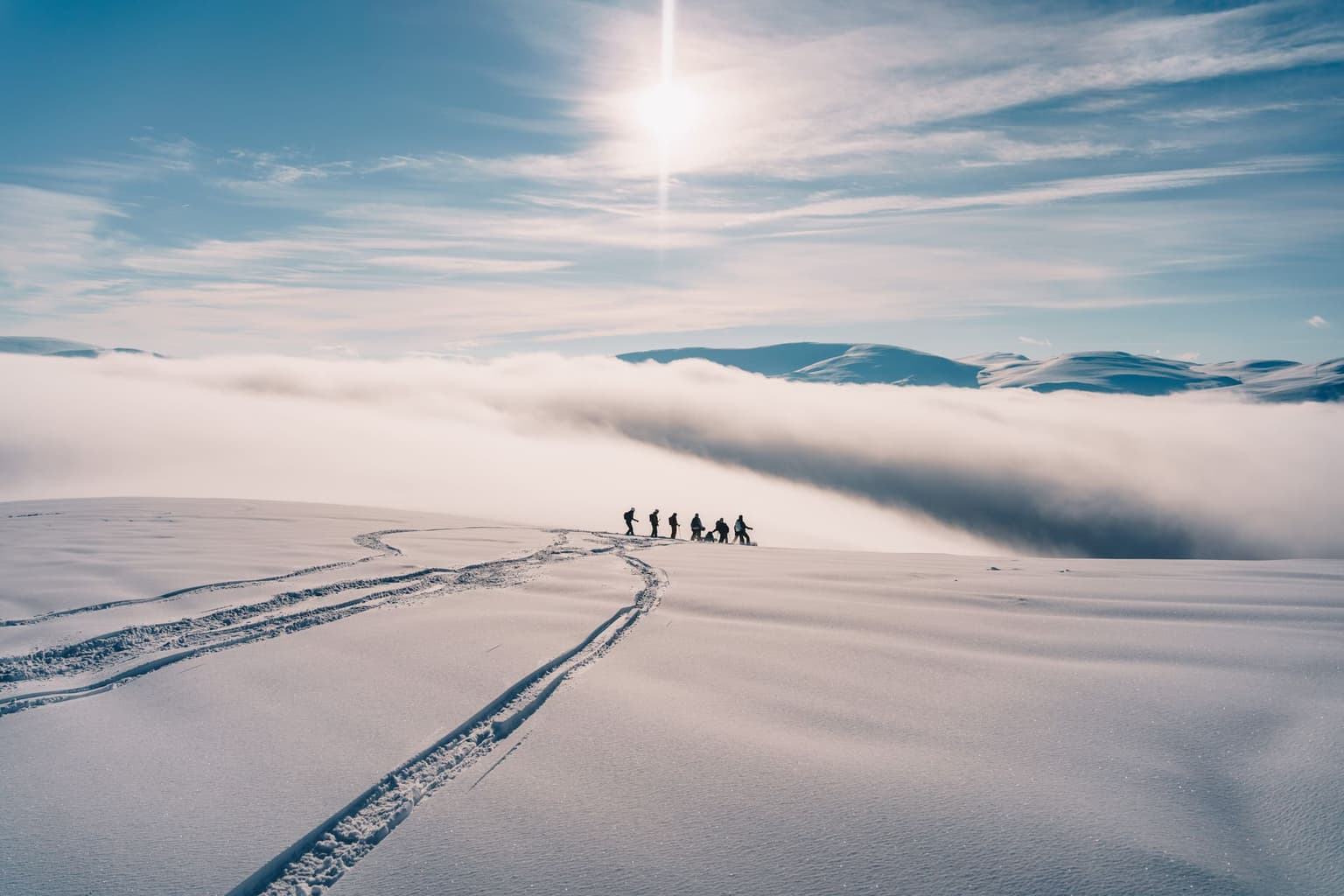
This is why Georgia deserves stronger differentiation by trip style. Resort-focused travel works best around Gudauri, where lift access, freeride structure, and practical services are strongest. Touring and exploratory formats become more interesting once the trip moves toward Svaneti, where the mountain-town environment and wider alpine setting create a different rhythm. The destination also works unusually well for mixed itineraries: part city, part resort, part village, part freeride week. That flexibility is one of Georgia's biggest advantages over destinations that only work in one narrow mode.
It also helps explain who Georgia is really for. It is a strong fit for riders who want serious mountain terrain but do not want every part of the trip to feel operationally hard. It suits groups who want a mix of off-piste ambition and social travel, and people who value cities, food, wine, and local hospitality as part of the freeride experience instead of treating them as background details. It is less ideal for travelers who want deep remoteness, maximal expedition character, or a purely isolated mountain format with almost no non-ski context.
Seasonality is another place where the country needs clearer explanation. Midwinter is usually the strongest common denominator, but Georgia is not one uniform weather system. Interior Caucasus conditions, western moisture influence, and elevation differences all matter. Gudauri can deliver a more efficient resort-led trip in the core winter months, while Svaneti often benefits from slightly more patience and flexibility around weather windows, movement, and what kind of days the group actually wants. Higher terrain and spring timing can also keep the country relevant later than some shorter-format resort readers expect.
In the wider Silk Road Freeride destination system, Georgia is the place where mountain seriousness and travel richness feel most evenly balanced. Kyrgyzstan may feel rawer, and China may feel more frontier-scaled, but Georgia is the destination that most cleanly combines freeride access, route flexibility, and cultural memorability. That makes it one of the most useful anchor countries in the entire corridor.