Loading

Loading
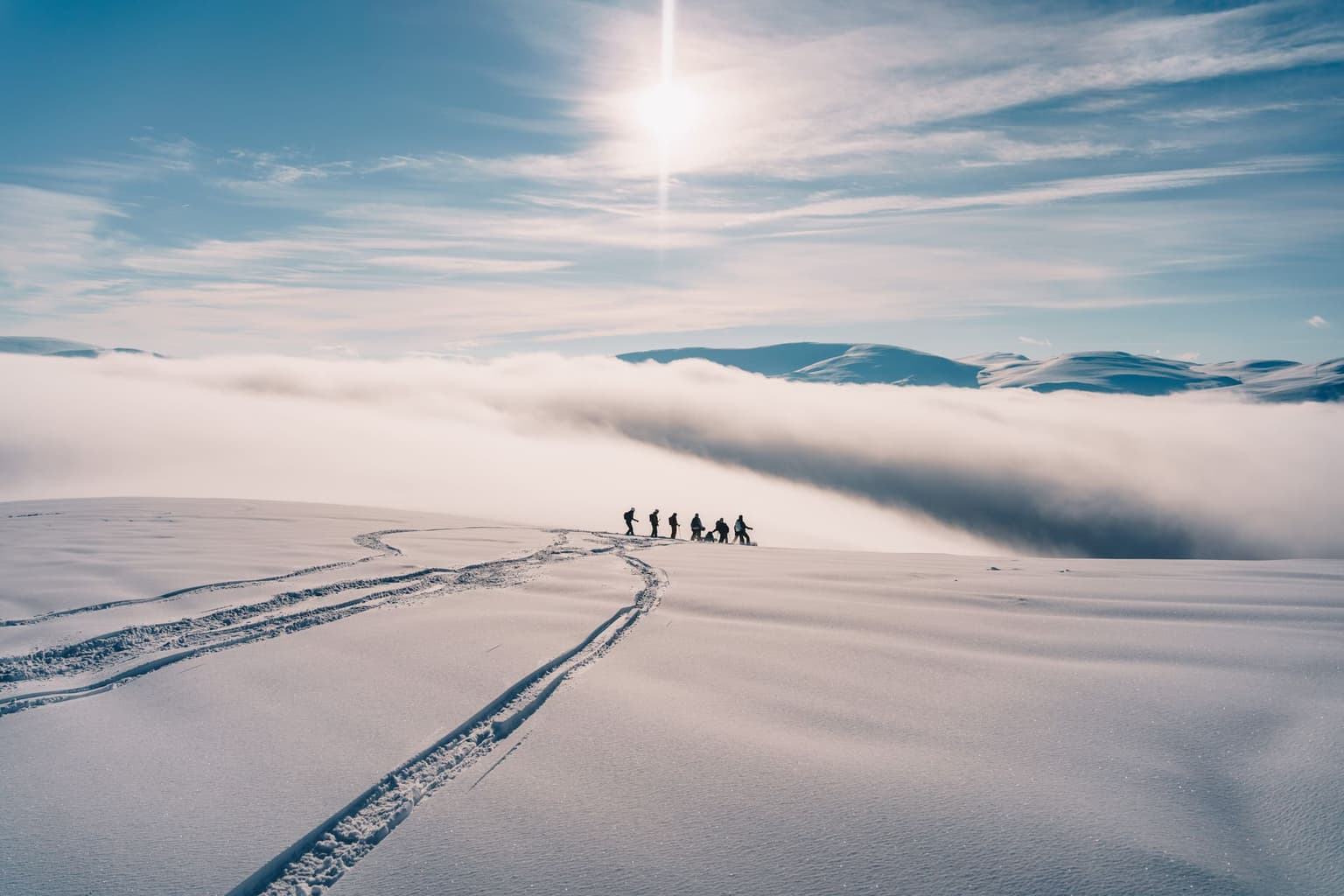
Three days in the Caucasus — medieval towers, high-altitude touring, and the particular energy of Georgian mountain culture.
The road from Zugdidi to Mestia takes about three hours — a valley approach that climbs toward the Svaneti highlands with the kind of drama that makes you understand why this region stayed isolated for centuries. By the time you reach the town, the medieval tower houses are already visible, stone structures that look closer to fortress architecture than to village housing.
That's the first thing that distinguishes Georgia from Central Asian destinations. The cultural landscape isn't just background — it's the defining context. These towers are UNESCO-protected. They're still lived in. The food here is Svan cuisine, distinct from what you find in Tbilisi. The language has its own dialect character. The mountains matter, but the culture is why you remember the trip.
Before the Svaneti days, we started in Gudauri — two hours north of Tbilisi on the Georgian Military Highway. The resort sits at 2,200 meters with lift access to around 3,200. The Kuroveji bowls are well-known for freeride potential — terrain that is lift-accessible but feels close to backcountry in character.
What makes Gudauri useful is the proximity. You can fly into Tbilisi, reach the resort within a day, and start riding immediately. The infrastructure isn't polished European-style, but it's functional. The food is Georgian — khachapuri, khinkali, the hospitality culture that defines the Caucasus. The atmosphere is social, more village than resort town.
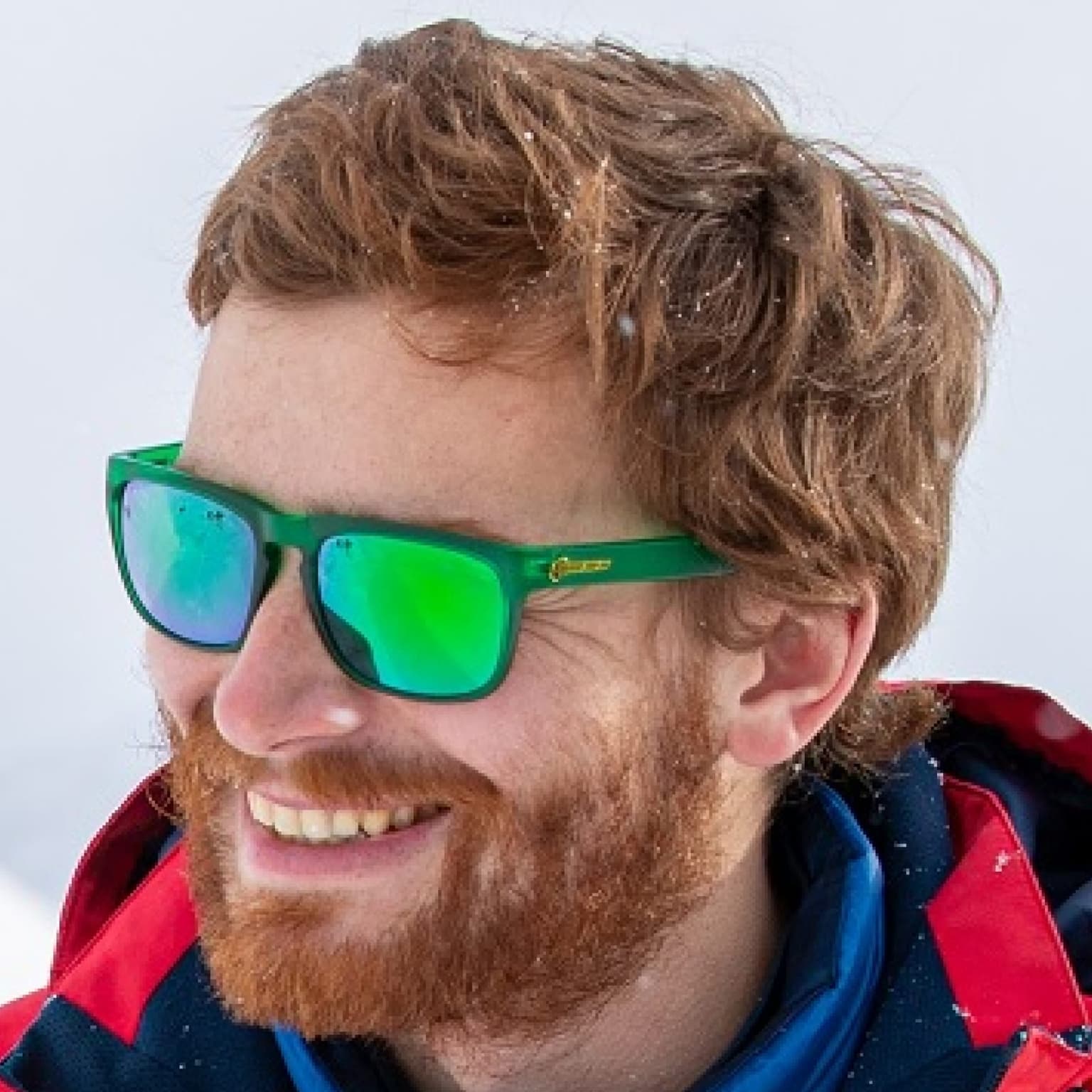
People ask about the difference between Georgia and Kyrgyzstan. The terrain is similar in scale and character — big-mountain bowls, tree runs, genuine vertical. The travel experience is different. Georgia is closer to Europe, shorter transfers, more familiar infrastructure. Kyrgyzstan is more frontier, longer approaches, closer to expedition travel.
If you want cultural depth combined with terrain intensity, both work. Georgia gives you medieval heritage and Caucasus mountain culture. Kyrgyzstan gives you nomadic culture, Silk Road narrative, and the sense of being further from the familiar resort map.
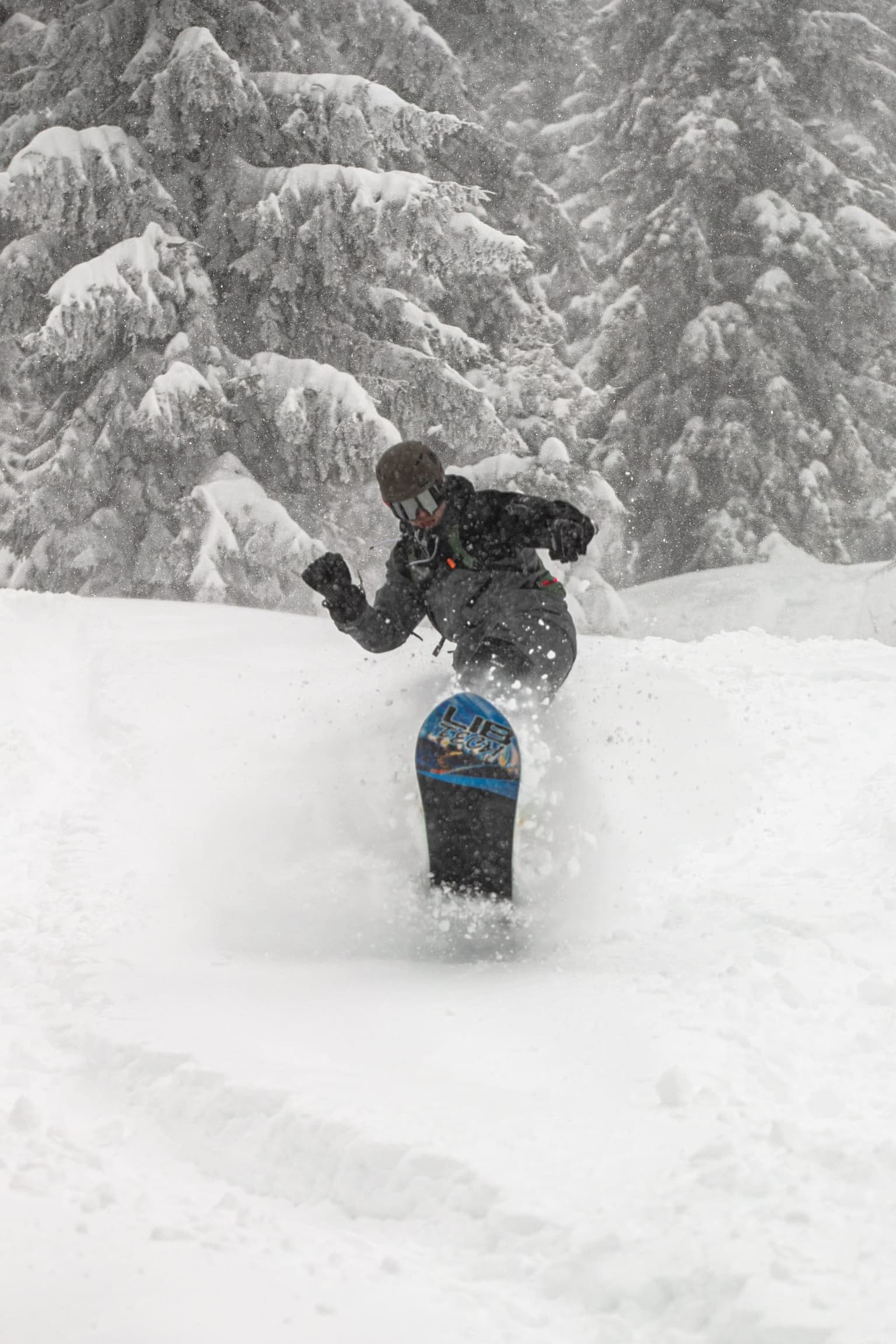
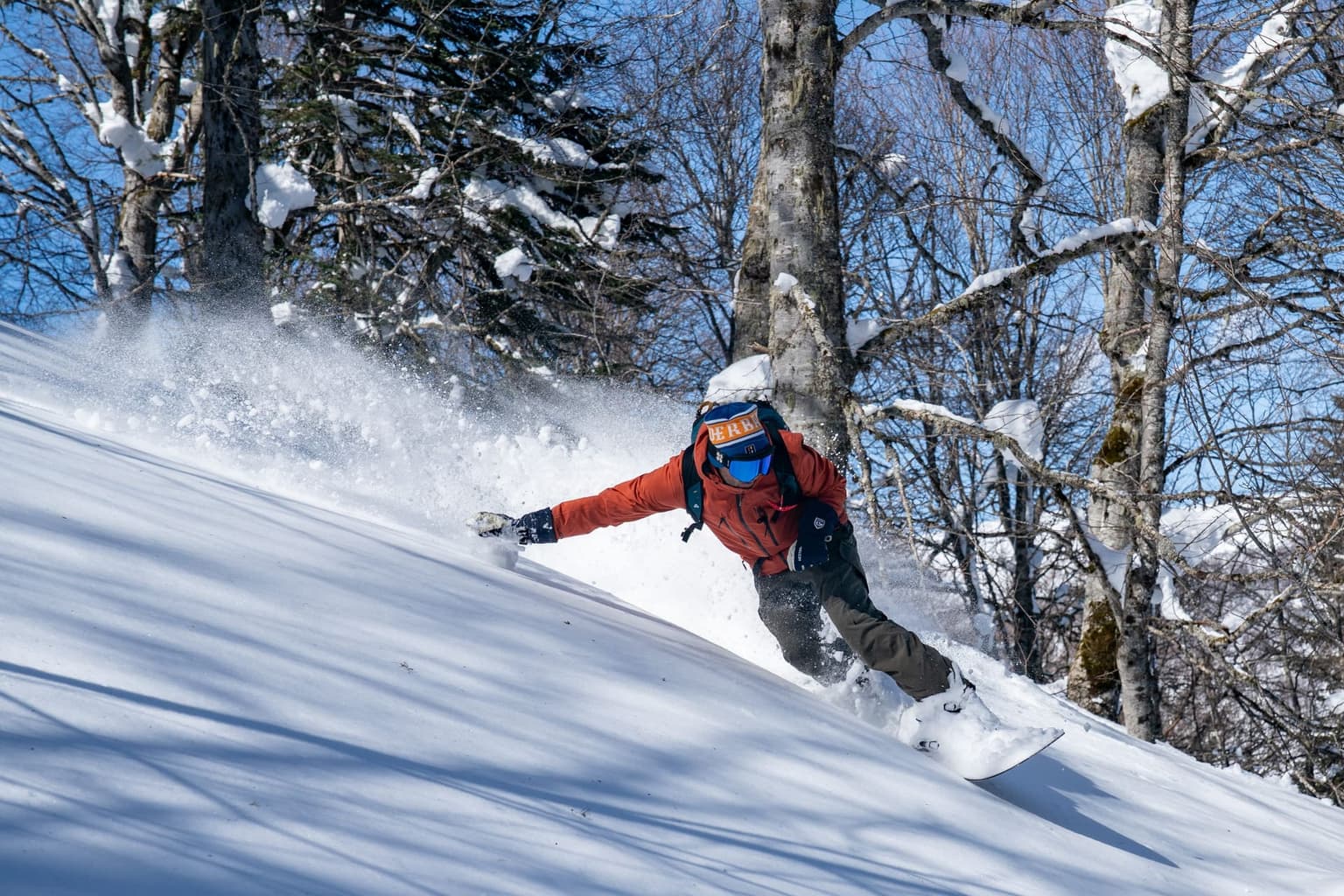
From Mestia, the touring routes reach ridge lines and valleys that feel genuinely remote. No lift infrastructure here — it's touring access only, with the appeal being the combination of high-altitude terrain and the UNESCO village atmosphere that frames the approach. The terrain is alpine, steep in places, with the kind of exposure that rewards careful route selection.
We climbed toward the Ushguli direction on day two — one of the highest permanently inhabited settlements in Europe. The approach is visually overwhelming, glacier views and tower clusters that give the landscape a cinematic character. That's the part that distinguishes Svaneti from resort zones. The journey feels closer to mountaineering culture than to ski tourism.
After three days in the Caucasus, the thing that stays isn't the descent angles. It's the sense that the mountain experience is genuinely connected to the cultural context. The towers, the food, the language, the history — they're not background. They're the reason the terrain feels different from European resort riding.
Georgia is where the Silk Road Freeride story expands beyond Central Asia. The Caucasus has its own energy — steeper, more dramatic, closer to the European mountain tradition but still distinctly its own. For riders who want terrain intensity without losing cultural connection, this is the zone.
Tornike Matsaberidze
Connecting
Keep reading