Loading

Loading
Three days in the Terskey Ala-Too — powder, village rhythm, and the kind of mountain travel that still feels close to local life.
We started the day the way most days start here — no lift line, no queue, no rush. The Karakol base sits at 2,300 meters and the upper lift stops around 3,200. That's genuine vertical for a place that still feels more like a village operation than a resort. By 9am we were already above tree line, looking across the Issyk-Kul basin toward the Chinese border peaks.
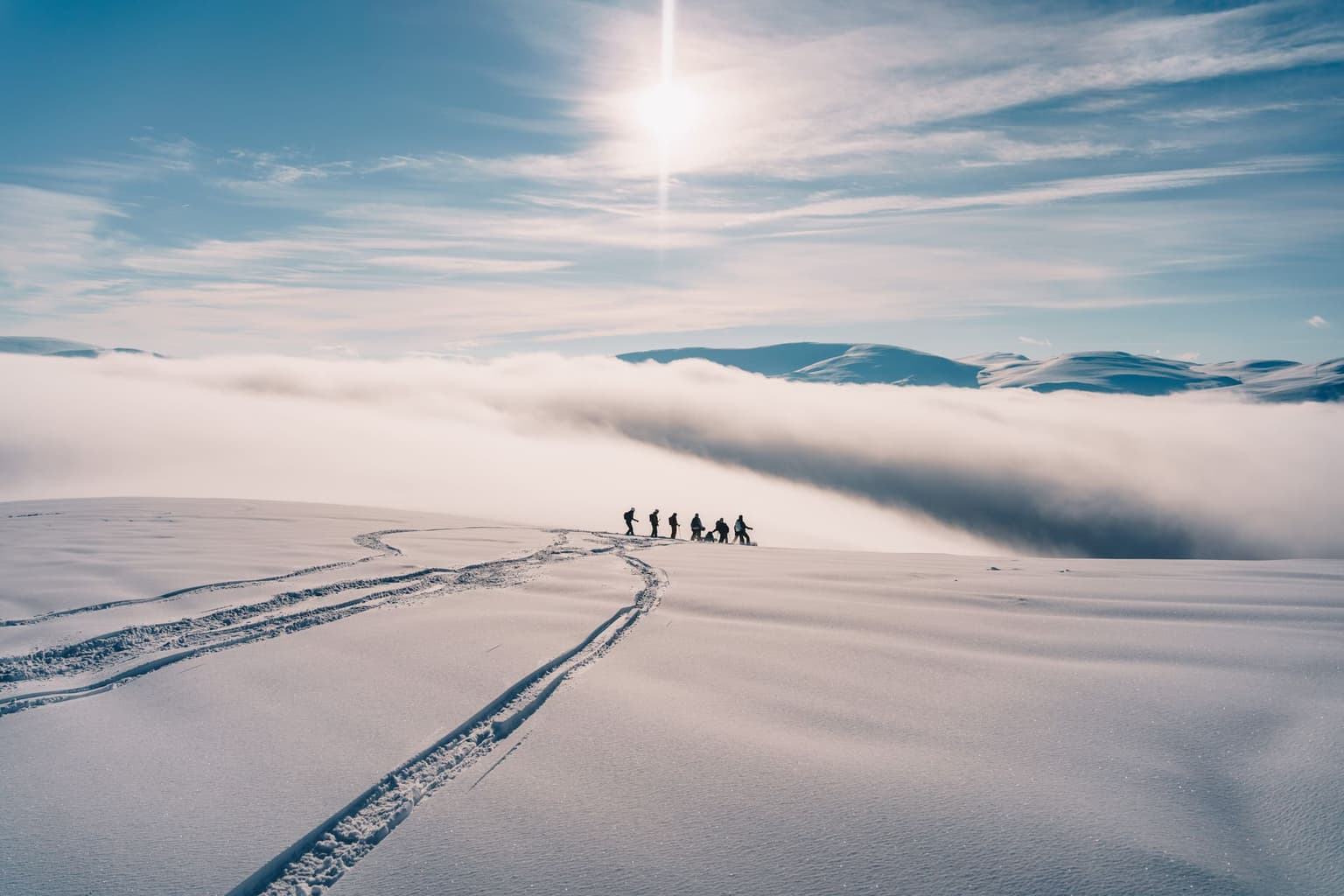
The snow this week has been consistent — light, dry, the kind of cold-smoke powder that makes the Terskey Ala-Too feel genuinely Central Asian rather than European-alpine. The bowls above lift 4 held untracked lines until noon. Not because no one skis here — because the terrain is big enough that the tracks spread out rather than converge.
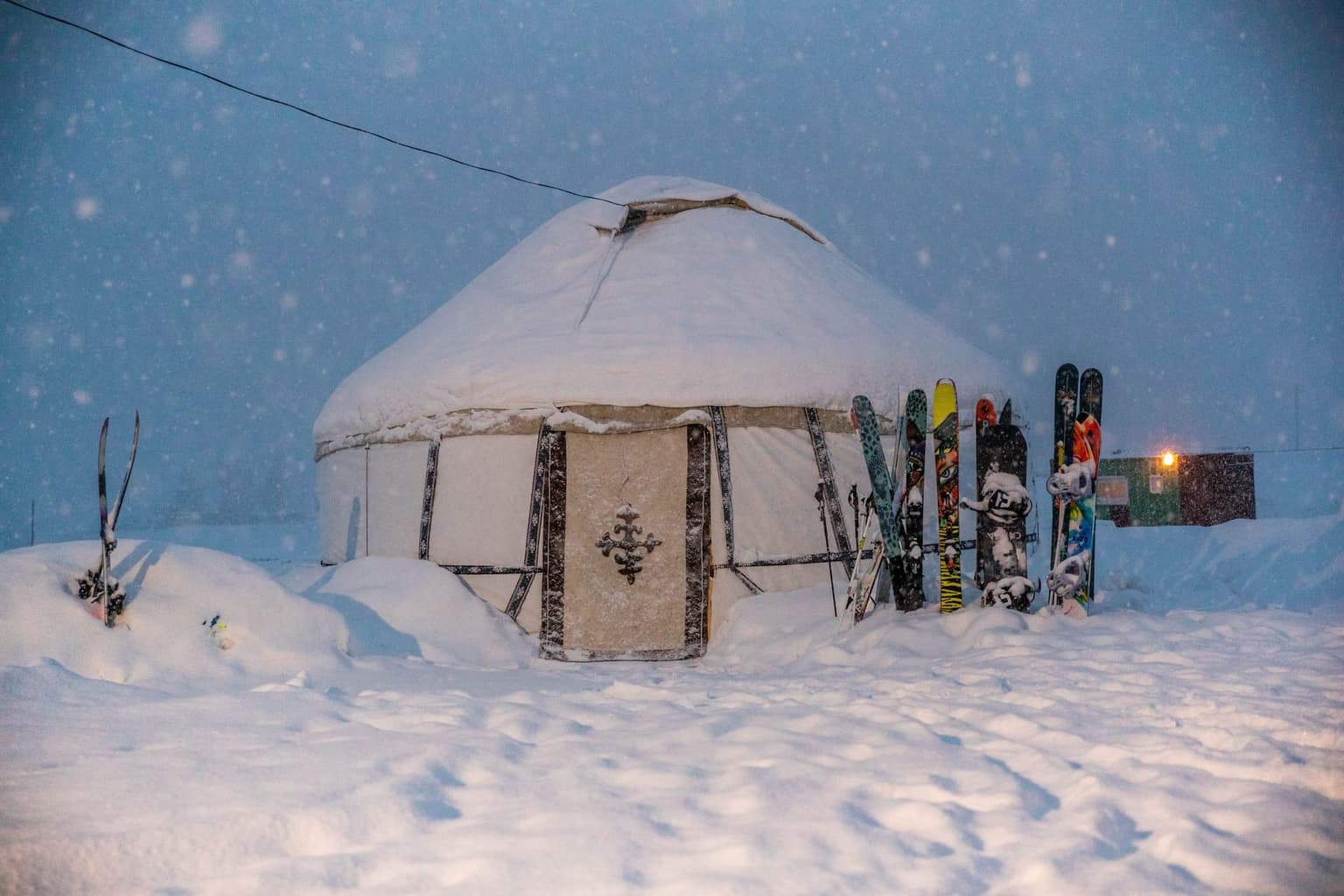
What makes Karakol different isn't the terrain alone. It's the rhythm. After the lifts close, the day doesn't end at a bar or a lodge. It ends in town — at a shashlik grill, at a guesthouse sauna, at one of the food spots where the menu is whatever the host decided to cook that morning. That's the part that takes getting used to. The mountain is the mountain. The village is still the village.
We finished day one with laghman at a Dungan family's place near the bazaar. The noodles were hand-pulled that morning. The broth had the kind of depth that comes from actually living here, not from a resort kitchen trying to approximate local flavor.
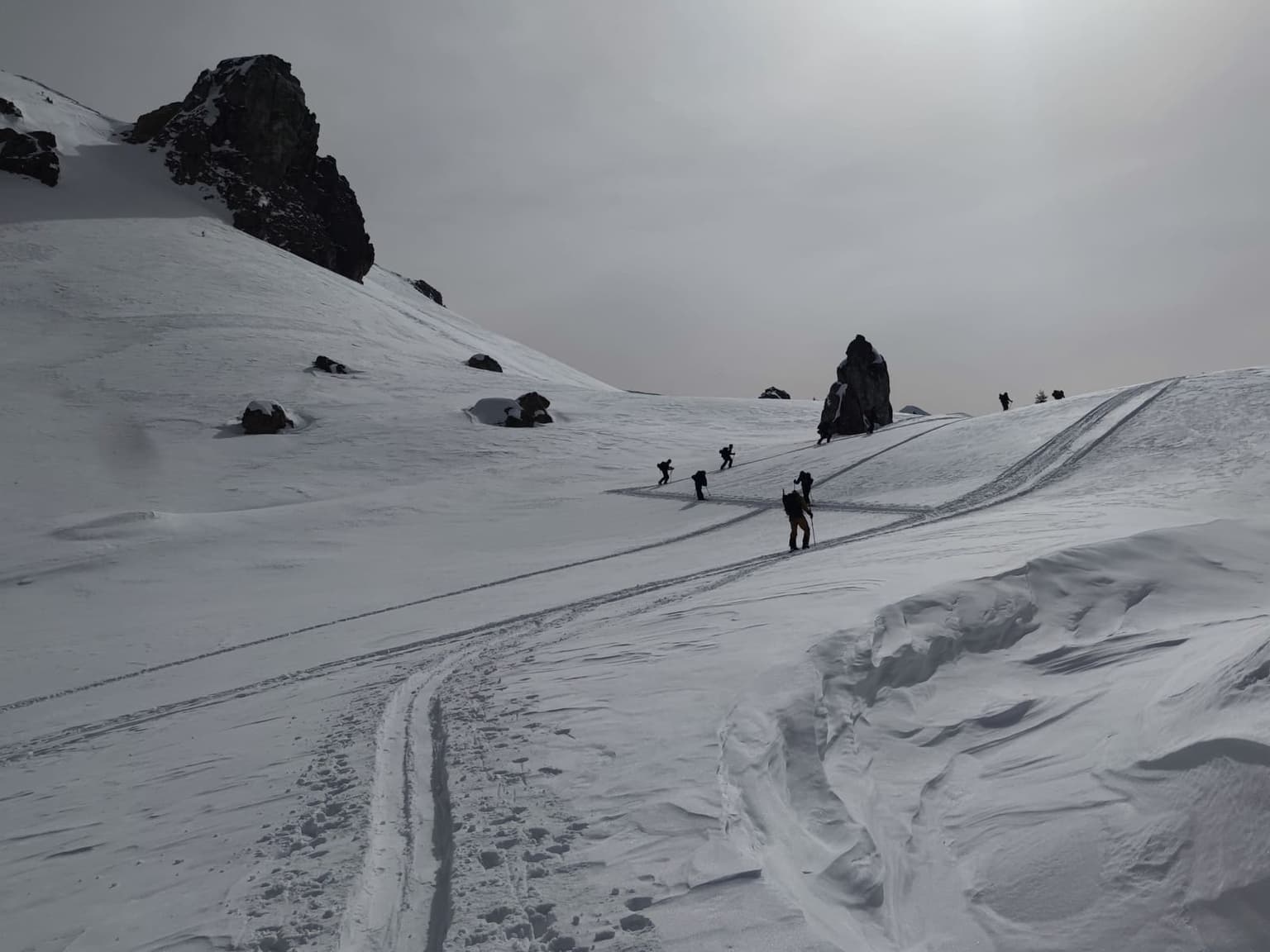
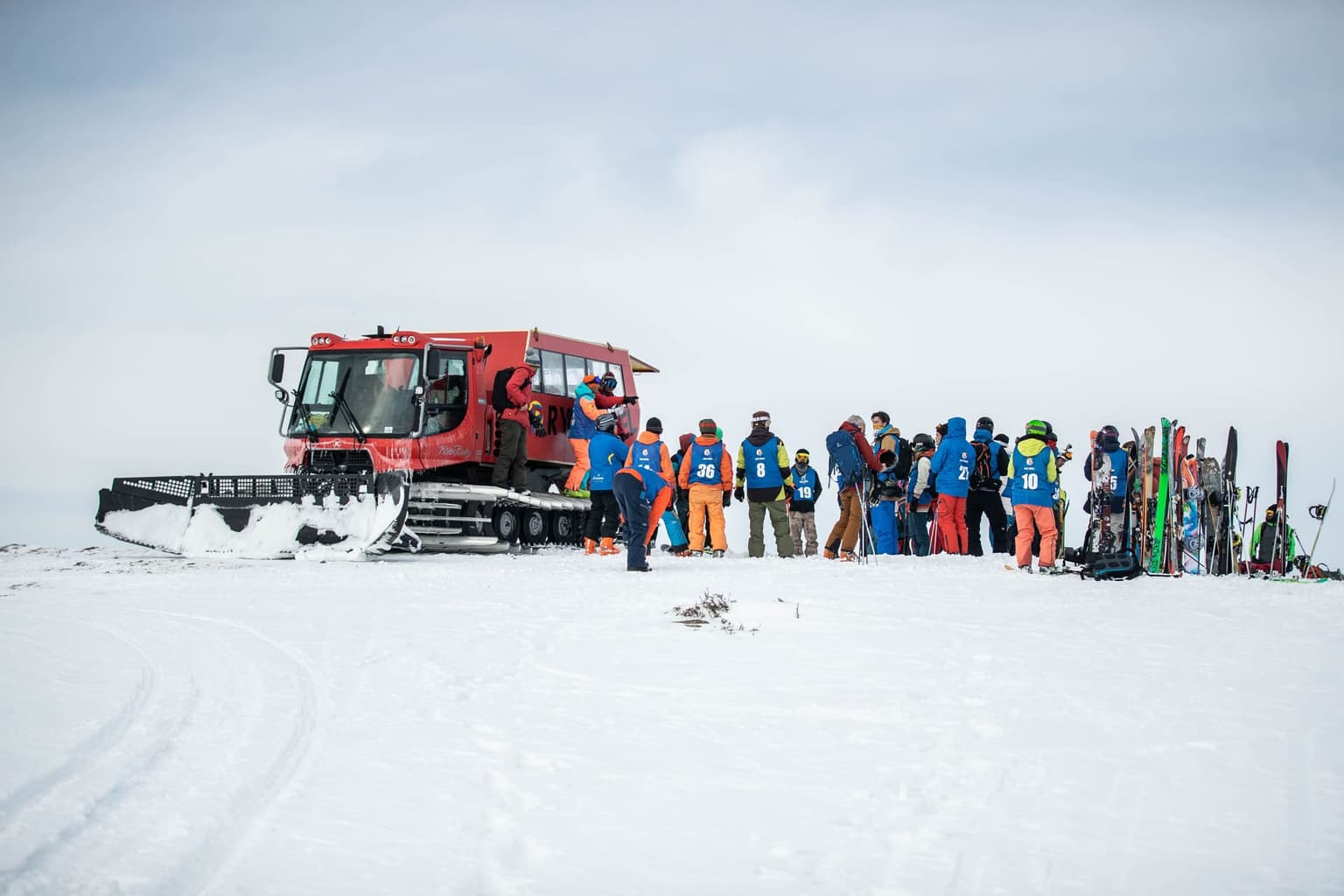
The transfer to Jyrgalan is about an hour from Karakol — a valley approach that gets quieter the further you drive. By the time you reach the village, the sense of isolation is real. This isn't a place with polish. It's community catski run by people who are still figuring out how to host international riders while maintaining their own rhythm.
The terrain here is open bowls with the kind of snowfall consistency that makes each run feel like a proper backcountry day. Vertical is around 500-700 meters depending on the zone. Not lift-served — the cat drives you up, you ride down, the cat meets you at the pickup. The pace is slower than commercial heliski. That's part of the appeal.
The question people ask about Kyrgyzstan is always the same: "Is it worth the travel?" The answer depends on what you're looking for. If you want polished convenience, no. If you want terrain that still feels raw, hospitality that's genuine rather than performed, and the sense that your presence matters to the people hosting you — yes. The travel is the point. The terrain is the reward.
We drove back toward Karakol through the afternoon light. Issyk-Kul was frozen at the edges, the mountains were still holding snow at 3,000 meters, and the road was quiet. That's the image that stays — not the descent angles or the vertical stats, but the sense that the journey itself is still part of what makes this place distinct.
Karakol is where the Silk Road Freeride idea feels most grounded. Not because the infrastructure is perfect — it isn't. Because the combination of mountain intensity and cultural depth is still intact. That's the thing worth protecting.
Maksat Aitkulov
Connecting
Keep reading